Why Underground, Why Now
Underground construction has moved from a niche discipline to one of the fastest-growing sectors in civil infrastructure. Aging urban transit networks, unprecedented public investment in transit expansion, and the sheer scarcity of buildable land above grade are pushing more of the built environment below the surface.
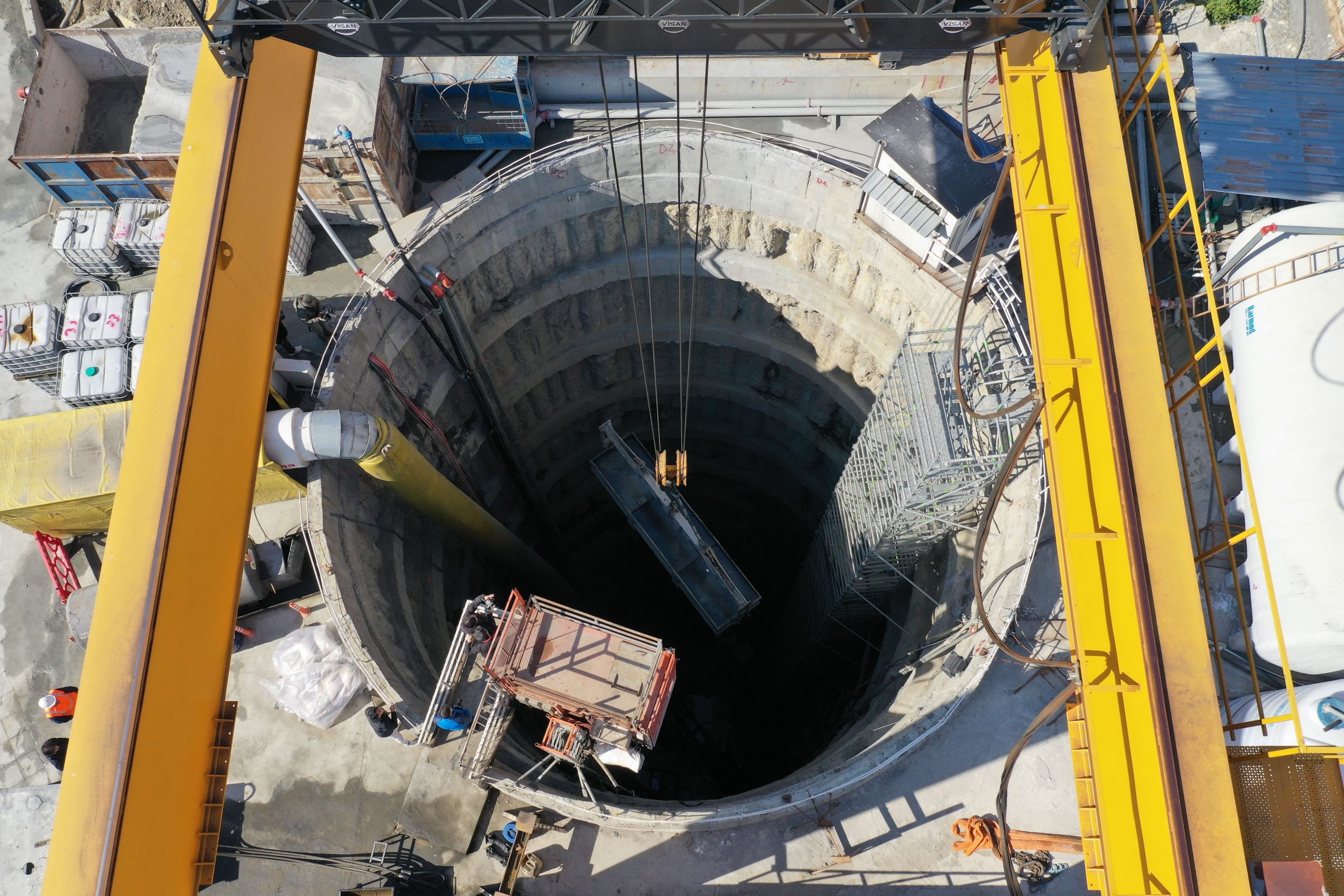
Six Faces of Underground Construction
In the United States alone, mega-programs like the Gateway Program, Second Avenue Subway, and the Frederick Douglass Tunnel represent tens of billions of dollars of committed capital, while advances in ground modeling, NATM and mechanized excavation, and real-time geotechnical instrumentation have made tunneling faster, safer, and more predictable than at any point in the past.
Transportation Tunneling
Transportation tunneling covers subway and rail tunnels, highway tunnels, and airport people-mover systems — the segment behind programs like Second Avenue Subway and the Gateway Program.
Water and Wastewater infrastructure
Water and wastewater infrastructure includes deep tunnel sewer systems (CSO/SSO control), stormwater conveyance tunnels, water supply aqueducts, and treatment facility conveyance.
Utility and Energy Tunneling
Utility and energy tunneling covers power and telecom cable tunnels, district steam and chilled-water systems, and pipeline crossings (oil, gas, and product lines run beneath rivers or urban corridors via microtunneling and horizontal directional drilling).
Underground Mining
Underground mining and resource extraction spans hard-rock and soft-rock mining, as well as underground space development for aggregate and mineral resources.
Underground Space
Underground space and civil works includes underground parking, storage and warehousing, data centers, defense and civil-protection facilities, and pedestrian concourses connecting buildings or transit stations.
Deep foundations
Deep foundations and ground engineering covers support-of-excavation systems, ground improvement and stabilization, shaft sinking, and the geotechnical instrumentation and monitoring that underpins all of the above.
Built to Disappear
Underground construction succeeds or fails on four things working together: support systems strong enough to hold the ground open while you build, instrumentation sharp enough to catch a problem before it becomes one, risk management disciplined enough to plan for the ground you can’t fully see, and structures engineered to carry that responsibility for a century or more.
Engineering Reliability and Risk Management
Underground construction carries a level of uncertainty that few other disciplines contend with. Ground conditions can only ever be estimated from a finite number of borings, tunnel linings and excavation support systems are expected to perform reliably for a century or more, and a failure below grade threatens not just the structure itself but the streets, utilities, and buildings above it.
Excavation Support Systems
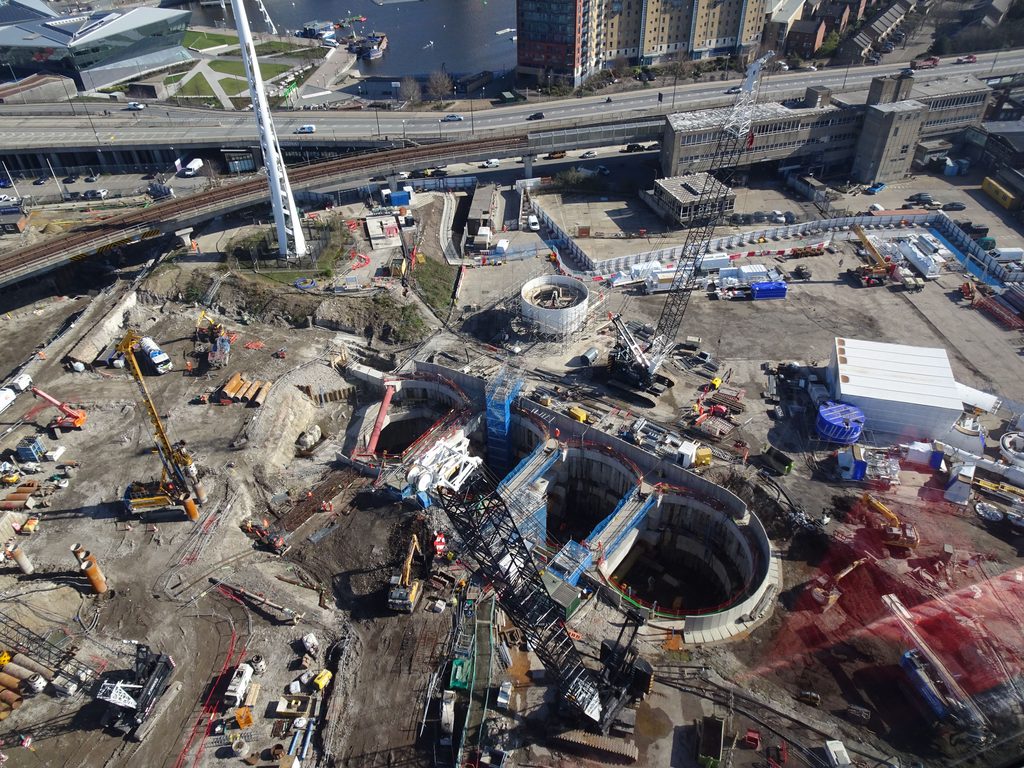
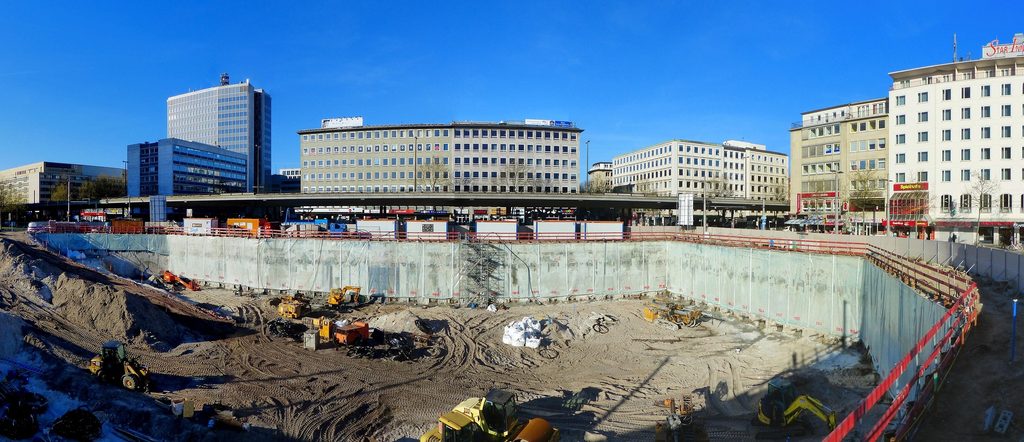
Excavation support systems are what make it possible to open the ground safely in the middle of a working city — holding back soil, rock, and groundwater long enough for a tunnel shaft, station box, or utility corridor to be built without disturbing the streets, foundations, and infrastructure around it.
Geotechnical Instrumentation and Monitoring
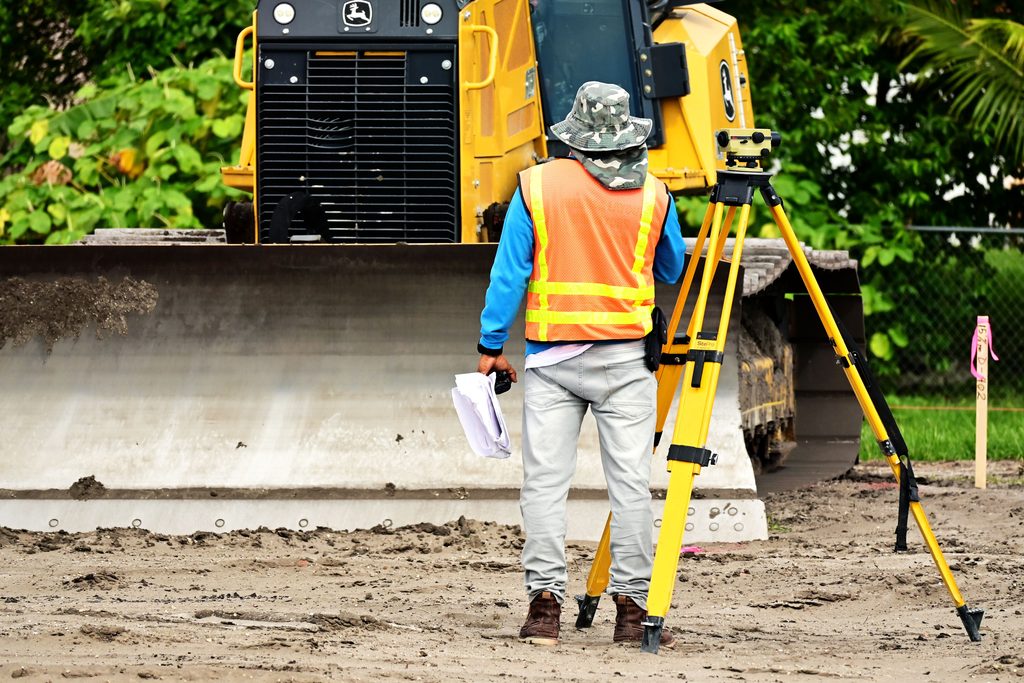
Geotechnical instrumentation and monitoring is the feedback loop that keeps an underground project’s design assumptions honest through construction. Before excavation begins, instruments like inclinometers, extensometers, piezometers, and settlement points are installed around the work zone to establish baseline ground behavior; as excavation and tunneling proceed, that same instrumentation tracks wall deflection, ground settlement, groundwater response, and structural strain in real time, giving engineers an objective read on whether the ground is behaving the way the design predicted.
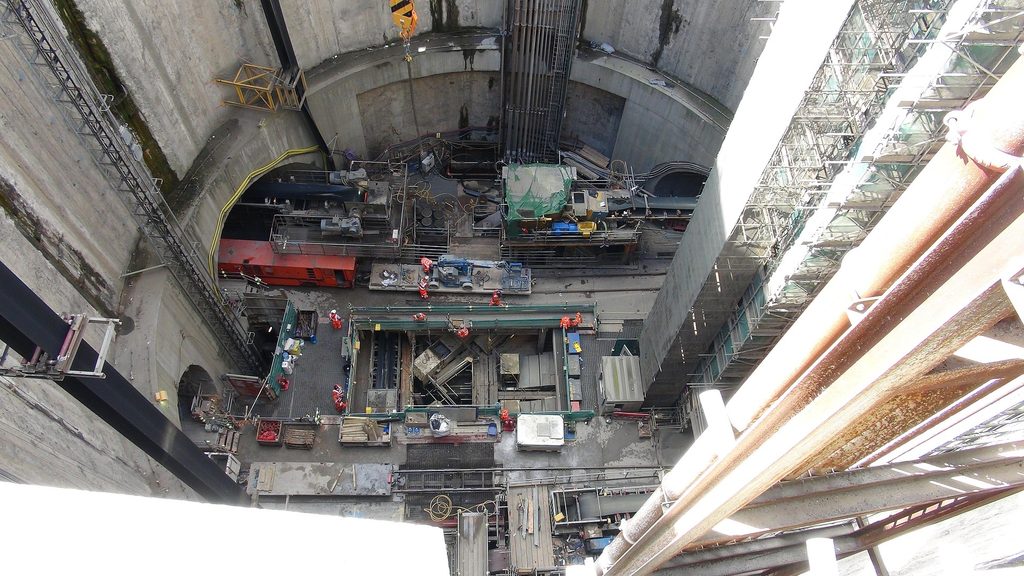
Tunnel and Underground Structure
Tunnel and underground structures are where all the upstream engineering — ground investigation, support-of-excavation design, risk allocation — comes together into a permanent structure meant to perform for a hundred years or more. The structural system has to do two jobs at once: resist the ground and groundwater loads pressing in on it from every direction, and provide a durable, watertight envelope for whatever it carries, rail traffic, vehicles, utilities, or people, often while sitting directly beneath active streets, buildings, and other infrastructure that can’t be disturbed.
“Every city you can see is held up by a city you can’t. The work that matters most is often the work no one ever notices.”